
Communication Antennas
Communication antennas are vital to modern wireless systems, converting electrical signals into electromagnetic waves and back to enable seamless transmission and reception over varying distances.

Verdant designs and manufactures antennas and radomes for airborne applications. The company promotes innovation and is supported by a strong quality management system (QMS).

You have successfully submitted your enquiry. Someone from our company will respond ASAP
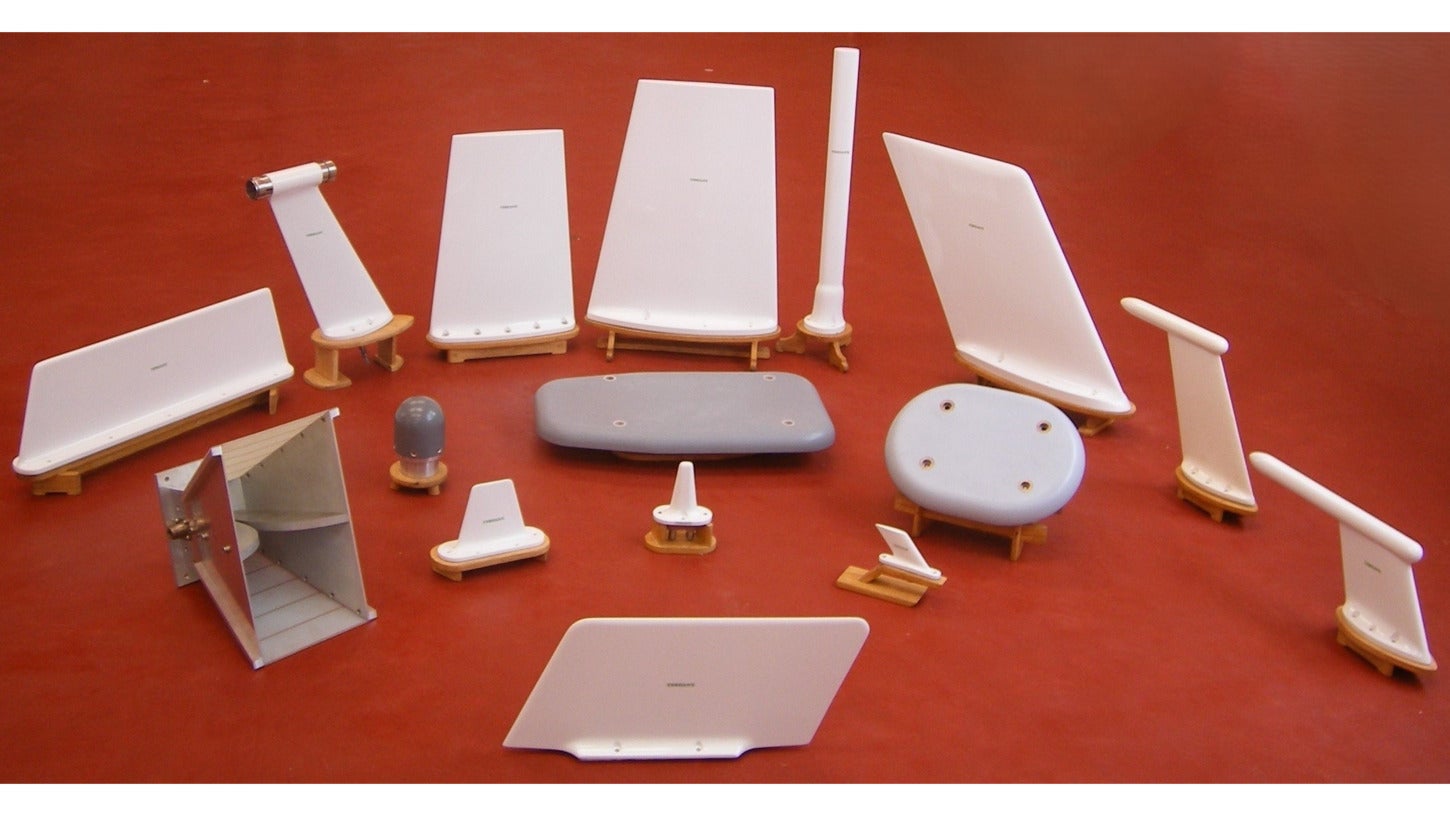
Verdant designs and manufactures high-performance airborne antennas and radomes for aerospace and defence platforms, delivering mission-critical RF solutions for secure identification, electronic warfare, communications, and navigation. Specialising in IFF antennas, EW antennas, communication antennas, GNSS antennas, TACAN antennas, VOR/ILS/LOC/GS antennas, marker beacon antennas, AIS antennas, direction finding (DF) antennas and ADF antennas, Verdant supports demanding operational environments with precision engineering, RF simulation, in-house testing, and certified quality systems.
Verdant develops airborne antenna systems and robust radomes engineered for extreme conditions such as vibration, temperature cycling, high-speed airflow, and demanding electromagnetic environments. These antenna and radome designs are tailored for stringent aerospace and defence requirements where reliability, integration constraints, and repeatable RF performance are critical. With a focus on innovation and self-reliance, Verdant supports mission-critical programmes that require dependable RF links and consistent radiation characteristics across defined frequency ranges.
Verdant’s RF design capability combines research and development with state-of-the-art simulation techniques to optimise gain, bandwidth, polarisation, and radiation pattern for each platform. Precision manufacturing supports repeatable builds and tight tolerances, which is essential for high-frequency antennas and airborne radome performance. Verdant also delivers customised RF solutions for challenging installations, helping customers address size, weight, power, and aerodynamic constraints while maintaining target electrical specifications.
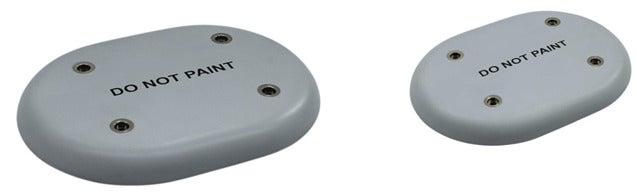
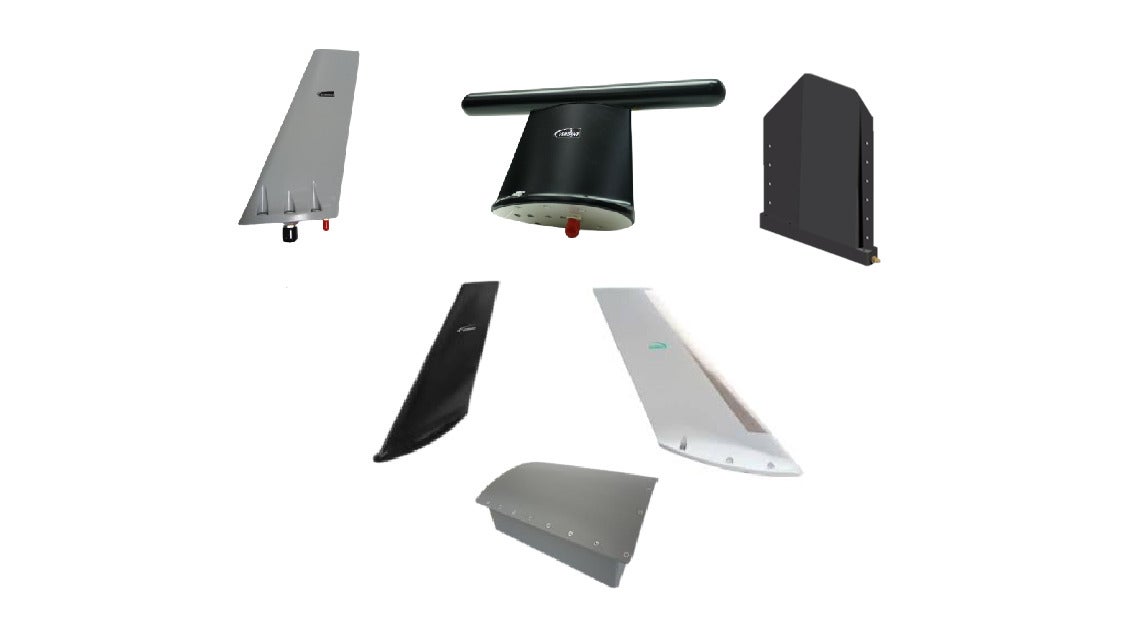
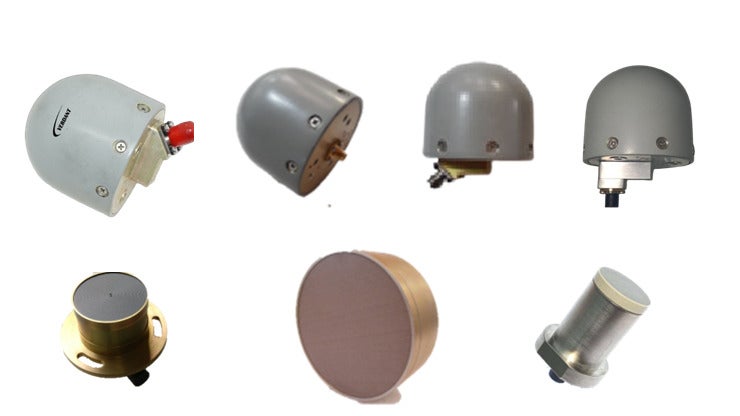
Quality at Verdant is embedded throughout design, production, and support, aligning with aerospace-grade expectations for traceability and process control. The company is AS9100 Rev. D certified and aligned to ISO 9001:2015, supporting strong design & development control and production quality assurance. This quality management system approach helps ensure consistent antenna performance, reliable deliveries, and post-delivery support suited to long lifecycle aerospace and defence programmes.
Verdant’s cutting-edge facilities cover RF design and manufacturing, composites manufacturing, and integration & testing to support end-to-end delivery. Advanced testing capabilities include an anechoic chamber for controlled RF measurements and an outdoor range for real-world validation testing from 20 MHz to 500 MHz. The company also maintains MIL-standard test setups, including MIL-DTL-85670C compliant arrangements, to validate performance for defence-oriented applications where verification and documentation are essential.
Identification Friend or Foe (IFF) antennas are central to secure identification in military navigation and air defence, enabling friendly forces to be distinguished from potential threats. Verdant’s IFF antennas are engineered for reliable transponder and interrogator operation, supporting robust coded responses in complex operational environments. Designed for operational integration across air, sea, and land scenarios, these IFF antennas prioritise trusted performance where misidentification risk must be minimised.
Electronic Warfare antennas enable detection, interception, direction finding, and disruption of adversarial signals, forming the frontline sensing layer of the electromagnetic battlespace. Verdant’s EW antennas are designed for high sensitivity, rapid scanning, and precise direction finding, supporting ESM, ELINT, and COMINT mission sets. With EW products covering approximately 1 to 40 GHz, Verdant supplies omnidirectional, directional, and high-gain antenna systems built to military standards for dependable mission-critical performance.
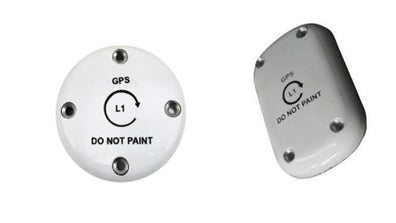
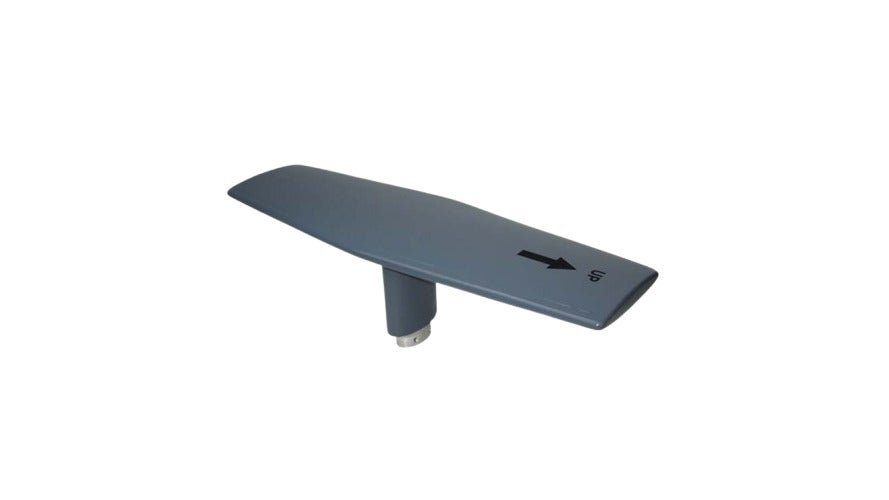
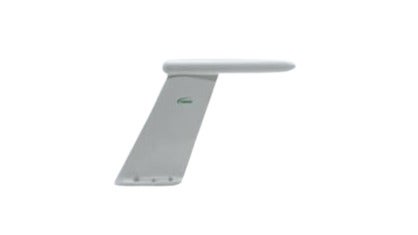
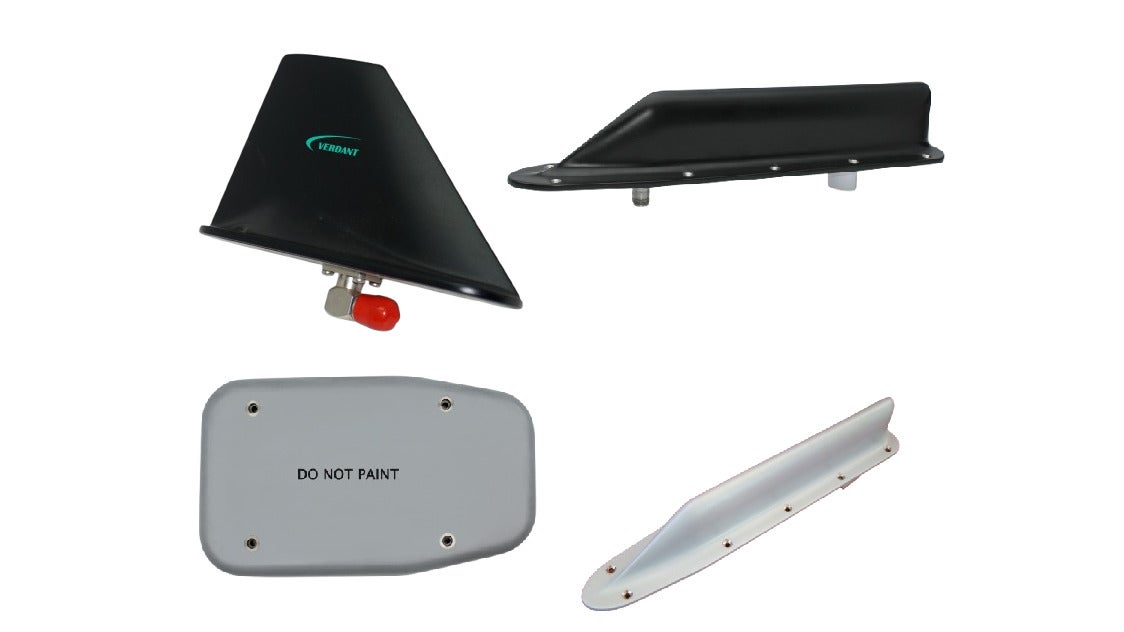
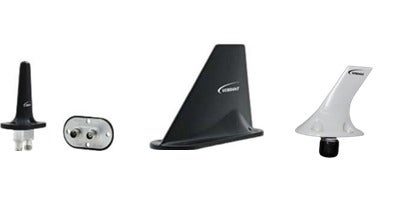
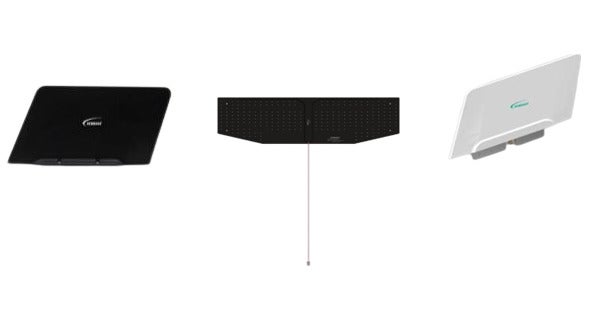
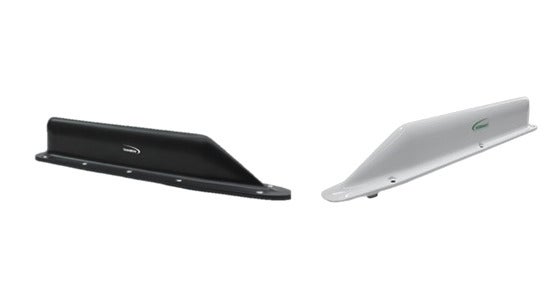
Communication antennas convert electrical signals to electromagnetic energy and back again, enabling robust transmit and receive performance over required operational distances. Verdant’s communication antennas are engineered around practical airborne requirements such as bandwidth, radiation pattern control, polarisation, efficiency, and mechanical durability. These mission-critical communication antennas support a range of platforms—including high-performance aircraft and rotary wing applications—where stable RF connectivity and integration-friendly packaging are essential.
Verdant supplies navigation antennas designed for precise positioning, timing, and landing guidance across aerospace and defence applications. The navigation antenna portfolio includes TACAN for military aviation, multi-constellation GNSS antennas for satellite navigation, and VOR/ILS/LOC/GS antennas that support en-route navigation and precision approach. Verdant also provides marker beacon antennas used within ILS to deliver altitude and position cues during final approach, designed for consistent detection across speed, altitude, and weather variations.
A TACAN antenna supports bearing and distance measurements to ground-based stations in the UHF band, providing robust navigation for military missions. Verdant’s TACAN antennas are built for airborne, shipborne, and ground platforms, maintaining performance during high-speed flight, rapid manoeuvres, and harsh environmental exposure. These TACAN antennas help deliver accurate navigation support during en-route operations as well as approach and landing phases.
GNSS antennas receive weak satellite signals from constellations such as GPS, GLONASS, Galileo, and NavIC, typically in the L-band (including L1 and L2). Verdant’s GNSS antennas are engineered for high signal integrity with attention to multipath mitigation and stable reception characteristics, commonly using right-hand circular polarisation (RHCP) to match satellite transmissions. These GNSS antennas provide reliable navigation and timing for mission-critical systems that depend on consistent satellite signal tracking.
Verdant also supports applications that intersect aviation, maritime operations, and safety systems through specialised antenna products. AIS antennas enable vessel tracking and communication by transmitting identity, position, speed, and course, and Verdant’s AIS antennas are built for durable operation in harsh marine conditions. For signal location tasks, Verdant provides direction finding (DF) antennas that help determine the direction of incoming transmissions for aviation and maritime use, and ADF antennas that support aircraft navigation to non-directional beacons where NDB infrastructure remains active or GNSS coverage is limited.
Verdant’s customer ecosystem includes core Indian defence and aerospace organisations alongside a growing international market presence. The company’s focus on collaboration, service excellence, and dependable delivery supports long-term partnerships where programme continuity and configuration control matter. By combining engineering depth with in-house build-and-test capability, Verdant positions itself as a practical RF partner for mission-critical applications, not simply a component supplier.
If you are sourcing airborne antennas, radomes, or mission-critical RF solutions for aerospace and defence platforms, Verdant can help define, design, and validate a product matched to your operational and integration requirements.
Over the years, Verdant has consistently demonstrated its capability to design, develop, and deliver RF solutions tailored to the stringent requirements of aerospace and defence, growing from a strong domestic base into wider global markets through reliability, innovation, and technical excellence.
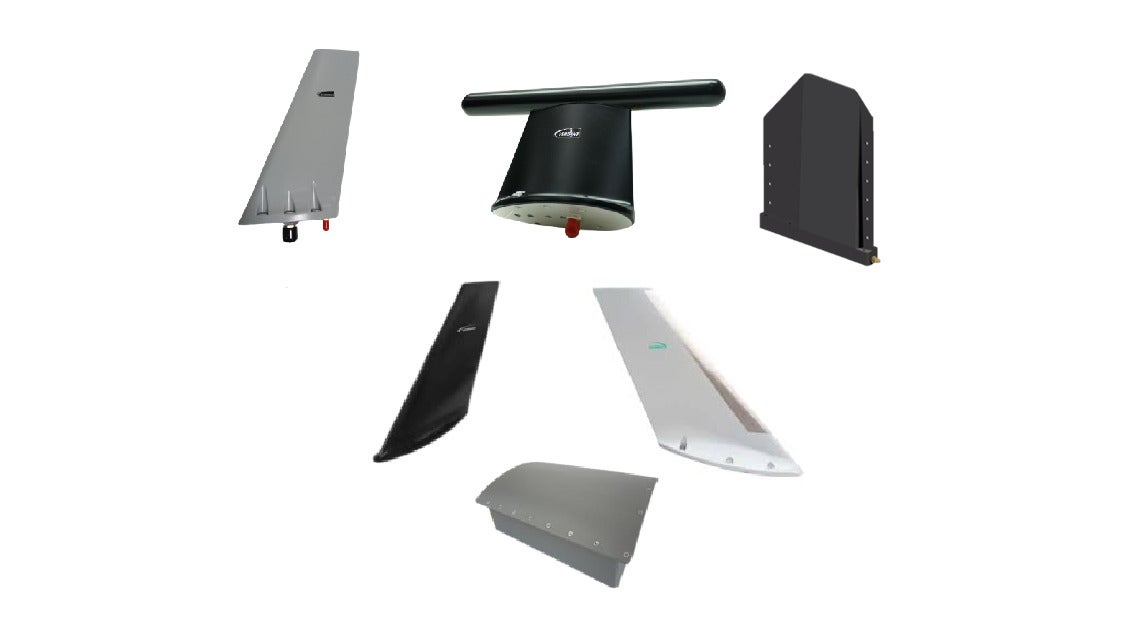
Communication antennas are vital to modern wireless systems, converting electrical signals into electromagnetic waves and back to enable seamless transmission and reception over varying distances.
Navigation antennas are vital for precise positioning, timing, and guidance across aerospace, defence, maritime, and unmanned systems.
A TACAN antenna is a military navigation component that provides precise distance and bearing from ground-based stations, operating in the UHF band for greater accuracy than civilian systems.
VOR, ILS, LOC, and GS antennas are essential for radio navigation and precision approach in both civil and military aviation.
The Marker Beacon antenna is a key component of the Instrument Landing System (ILS), providing pilots with altitude and position cues during final approach.
A GNSS antenna is a specialised radio frequency device designed to receive signals from satellites in Global Navigation Satellite Systems (GNSS) such as GPS, GLONASS, Galileo, and BeiDou.
AIS (Automatic Identification System) is a vital component in modern maritime navigation applications, providing real-time tracking and communication between vessels and shore stations.
Direction Finding (DF) is a navigation technique used to determine the direction of incoming radio signals.
The Automatic Direction Finder (ADF) is a radio navigation aid primarily used in aviation to determine the direction to non-directional beacons (NDBs) on the ground.
EW (Electronic Warfare) antennas are key to modern defence, enabling detection, interception, and disruption of adversarial signals.