

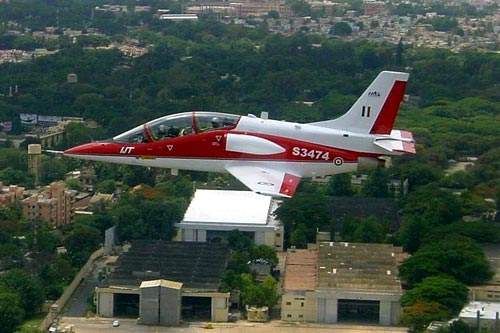
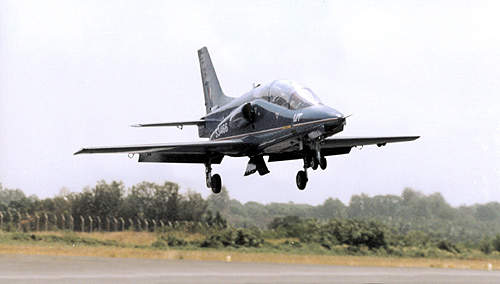
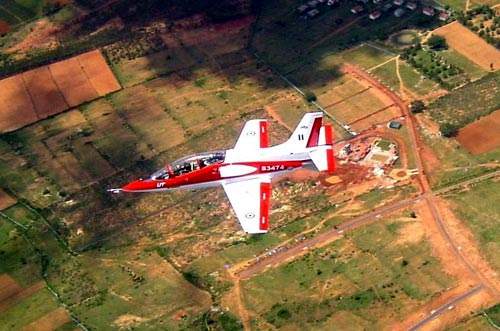
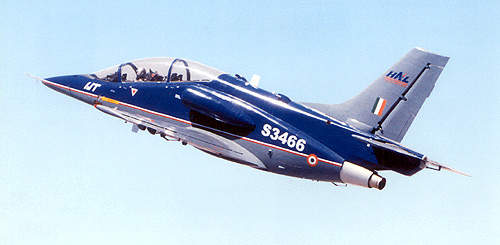
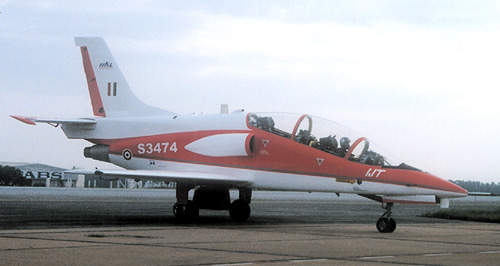
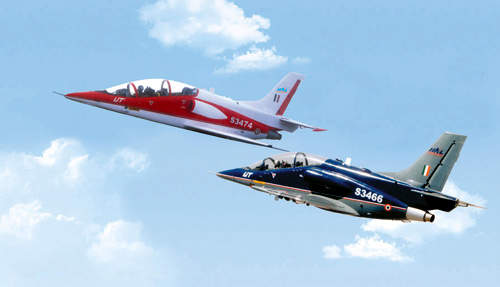
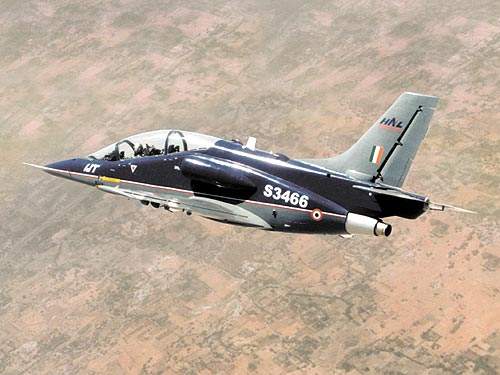

The intermediate jet trainer, designated HJT-36, is known in India as the Sitara (‘Star’). Hindustan Aeronautics Limited (HAL) started design work on the intermediate jet trainer in 1997. The concept was initially developed as a successor to the successful Kiran trainer for the Indian Air Force and Navy. HAL was awarded a contract in 1999 by the government of the Republic of India for the completion of development, testing and certification of two prototype IJT aircraft.
Recommended Buyers Guides

In February 2003, a contract for an initial 16 trainers for the Indian Air Force was placed. An Indian Air Force demand for 200 to 250 aircraft is envisaged with a market potential for higher numbers. Two prototype aircraft have been built. Over 280 flights have been completed by the aircraft. The HJT-36 entered service with the Indian Air Force in 2010.
HJT-36 jet trainer programme
Construction of the first prototype, the S3466, started in 2002 and it completed its first flight in March 2003. The second prototype aircraft, the S3474, completed its first flight in March 2004. The HJT-36 took part in the air display at Farnborough International Air Show in 2006. At the Aero-India air show in February 2007 in Bangalore, whilst taking part in the air display, the first prototype crashed on the runway when taking off.
The aircraft provides high-speed training for pilots entering level II training. The maximum operating speed is Mach 0.8 and the g-limits are from +7g to –2.5g. The service ceiling for the trainer is 12,000m (39,370ft).
HJT-36 training aircraft design
The aircraft is of light alloy and composite construction, using a conventional low wing design with a sweptback wing of 9.8m span and 18° leading edge sweepback.
About a quarter of the aircraft’s line replaceable units are common with the HAL Tejas trainer aircraft.
The aircraft is fitted with hydraulically retractable tricycle-type landing gear. The single-wheeled main units retract inward and the twin nose wheel unit retracts forward.
Training cockpit
The cockpit uses a conventional tandem two-seat configuration with the trainee pilot forward and the instructor in the raised seat to the rear. The single-piece canopy gives the pilots good, all-round vision. The seats are lightweight zero-zero ejection seats, model K-36LT manufactured by Zvesda. The pilots have both conventional and manual flight controls.
The aircraft has a full glass cockpit and digital avionics. The cockpit layout conforms to the style of current-generation combat aircraft.
Smiths Aerospace was contracted to supply the integrated avionics system, which includes open systems architecture mission computer, an attitude and heading reference system (AHRS) and air data computers.
The cockpits are equipped with active matrix liquid crystal displays supplied by Thales. The instructor’s station in the rear cockpit has a data entry display panel.
The avionics suite includes a head-up display and head-up display repeater unit supplied by Elop. The aircraft has cockpit communications and dual VHF and UHF communications.
HJT-36 weapons
The aircraft has five external hardpoints for carrying weapon systems. There is one centreline hardpoint under the fuselage and two weapon pylons under each wing for carrying rocket and gun pods and bombs. The maximum external payload is 1,000kg.
Turbofan engine
The ITJ engine is installed in the rear section of the fuselage and fitted with a bifurcated air intake. The aircraft carries 1,150l, 917kg of usable fuel in the fuselage and wing tanks.
The prototype aircraft are powered by a Snecma Larzac 04-H-20 turbofan non-afterburning engine developing 14.12kN.
In the summer of 2004, Hindustan Aeronautics announced the selection of the Saturn AL-55 turbofan engine rated at 16.68kN for the production series intermediate jet trainer. The AL-55 engine is being developed by NPO Saturn and produced at the Ufa Engineering Building Association (UMPO) in Russia.
An agreement between the governments of India and Russia for the licensed production of the AL-55I engine in India was reached in August 2005. The agreement included assistance in setting up the AL-55I production facilities at HAL’s aeroengineering centre at Koraput. The first AL-55I engine was delivered in June 2008.
The aircraft is fitted with a 9kW starter generator and two nickel cadmium 43Ah batteries.
