
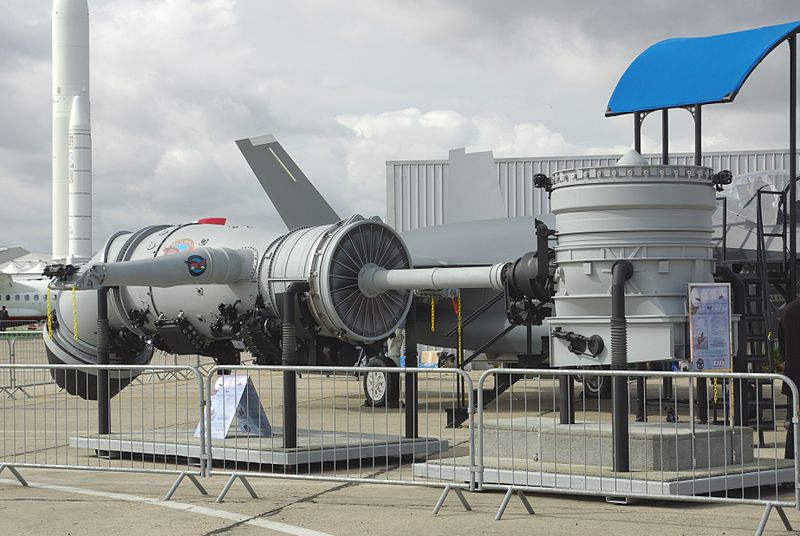
The US Air Force Research Laboratory (AFRL) and Pratt & Whitney team are testing the company’s adaptive engine fan rig that aims to advance next-generation military fighter engine technology, at its compressor research facility (CRF) in Dayton, Ohio.
The testing of adaptive engine fan rig, which is based on a full-scale F135 development fan, seeks to mature technologies related to adaptive bypass flow associated with a third stream of air that will facilitate efficiency enhancements in long-range persistence, and high thrust combat manoeuvres, as well as in transonic and supersonic flight conditions.
Go deeper with GlobalData


Discover B2B Marketing That Performs
Combine business intelligence and editorial excellence to reach engaged professionals across 36 leading media platforms.
Development of the third stream of airflow will also improve thermal management of the air system and lower heat signature of the military engines that currently have two airstreams, with one passing through its core and another that bypasses the core.
Air Force Research Laboratory programme manager Jack Hoying said development of an effective adaptive fan concept represents a significant step in advancing technology that will ensure next-generation air dominance for the US military.
"We are working closely with our industry partners to develop game-changing technologies that will truly advance the state of the art for military engines in the 21st century," Hoying said.
P&W Military Engines president Bennett Croswell said the adaptive fan variable cycle technology will utilise and improve upon the company’s baseline expertise in production of fifth-generation fighter engines, including the F119 and F135 powering the F-22 Raptor and F-35 aircraft respectively.

US Tariffs are shifting - will you react or anticipate?
Don’t let policy changes catch you off guard. Stay proactive with real-time data and expert analysis.
By GlobalData"We’re building on our foundation of proven fifth-generation capabilities, and we are now mastering adaptive technologies, really expanding the boundaries of state of the art engine technology critical for the next sixth-generation aircraft," Croswell said.
The team is set to conduct additional processing and engine test analysis after completion of the testing that will take place through this month.
Pratt & Whitney is also currently working on other programmes that are advancing the state of military engine technology, including the AFRL-sponsored adaptive engine technology demonstration (AETD) programme, the US Navy fuel burn reduction (FBR) programme.
Image: Pratt & Whitney’s next generation variable cycle adaptive engine will leverage its experience in production of F119 and F135 powerplants. Photo: courtesy of Duch.seb.



