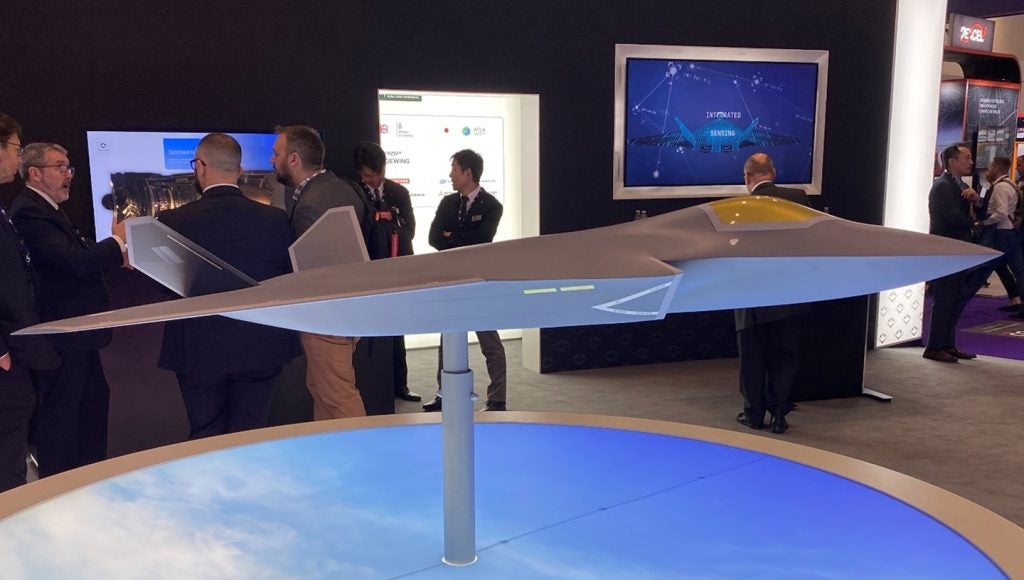
- Defence Committee member Calvin Bailey made the comparison between the GCAP fighter and the TSR-2 aircraft cancelled during the Cold War
- There is concern that the future fighter will similarly face significant cost overun and eventual cancellation
- This, Bailey maintained, is due to the programme entering an “unaffordable defence plan”, much like in April 1965 under another Labour government
It is not the first time that the UK put forward a novel aircraft programme without the funds to back its plans.
In a Defence Committee session on 27 January, one Defence Committee member, Calvin Bailey, had to remind the incumbent Defence Secretary, John Healey, of the significant cost overrun and subsequent cancellation of the British Aircraft Corporation’s TSR-2 aircraft in 1965 under his predecessor, Denis Healey.
The warning comes amid fears that the UK Ministry of Defence cannot afford its new aerial pet project – the sixth generation Tempest fighter, the centrepiece of the Global Combat Air Programme (GCAP) with Japan and Italy – nor all it has set out to deliver in the Strategic Defence Review. Yet this document was widely extolled last year for its astute reflection on the fragmented world order and the technologies Britain needs to navigate the new threat landscape.
It does not help that the Chief of Defence Staff, Air Chief Marshal Richard Knighton, recently stated that there will be “trade-offs” to come in the overdue Defence Investment Plan (DIP), now delayed until the Spring.
The government have already allocated more than £2bn ($2.75bn) toward GCAP since 2021 and they have budgeted another £12bn for the next decade.
But considering the growing spending deficit on defence equipment in previous years – the National Audit Office uncovered a £17bn shortfall in 2023 – and the woeful lack of transparency since the Labour government succeeded in July 2024, there is not a lot of confidence in the UK’s ability to finance programmes at present.
Shameful resemblance
TSR-2 was a Cold War tactical strike and reconnaissance aircraft developed for the Royal Air Force in the late 1950s and early 60s. The fuselage was very long (89 feet), slim and incorporated a shoulder-mounted delta wing and turned down wing tips.
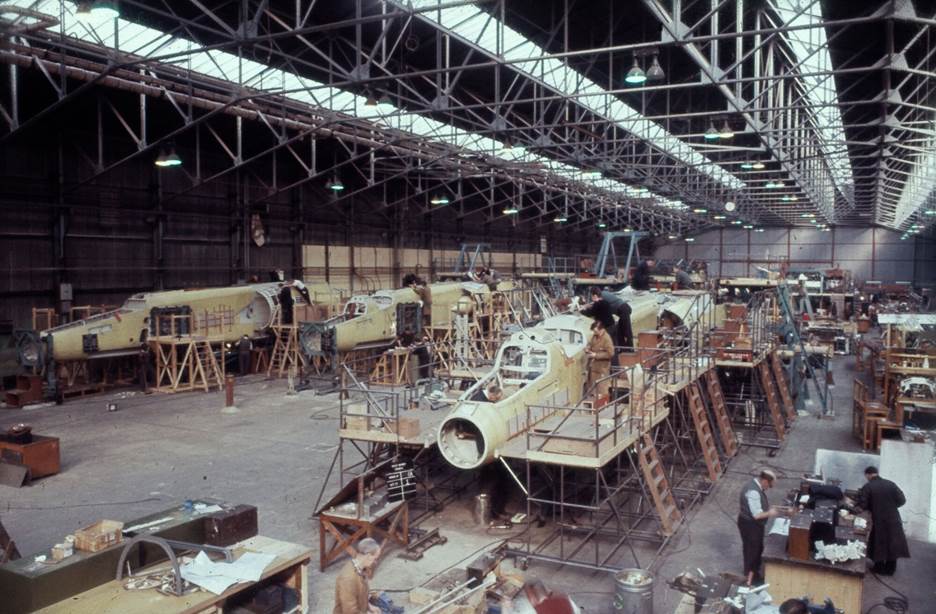
The cost of the programme became a matter of political contention and at two cabinet meetings held on 1st April 1965, the government decided to cancel the programme.
This was claimed to be on the grounds of rising costs, although some point more directly to a political option to acquire up to 110 F-111 Aardvark fighter-bombers from the United States. The decision was announced in the Budget Speech on 6 April 1965.
Fair comparison?
Given ongoing fiscal troubles and the government’s extended delay of the DIP, it is reasonable to draw parallels to the TSR-2 failure.
But a tri-national programme brings with it “shared cost and political buy-in,” observed Daniel Meredith Jones, defence R&A head at intelligence firm GlobalData.
Unlike TSR-2, there is intended to be an incremental capability spiral, not a single leap with digital engineering / model-based design from day one. Export intent is also baked in.
“Critically, the UK has no sovereign alternative once [the Eurofighter] Typhoon retires,” in 2040, Meredith reflected. There are still 159 jets in service according to GlobalData intelligence, and the radar system was upgraded recently to the ECRS Mk2.
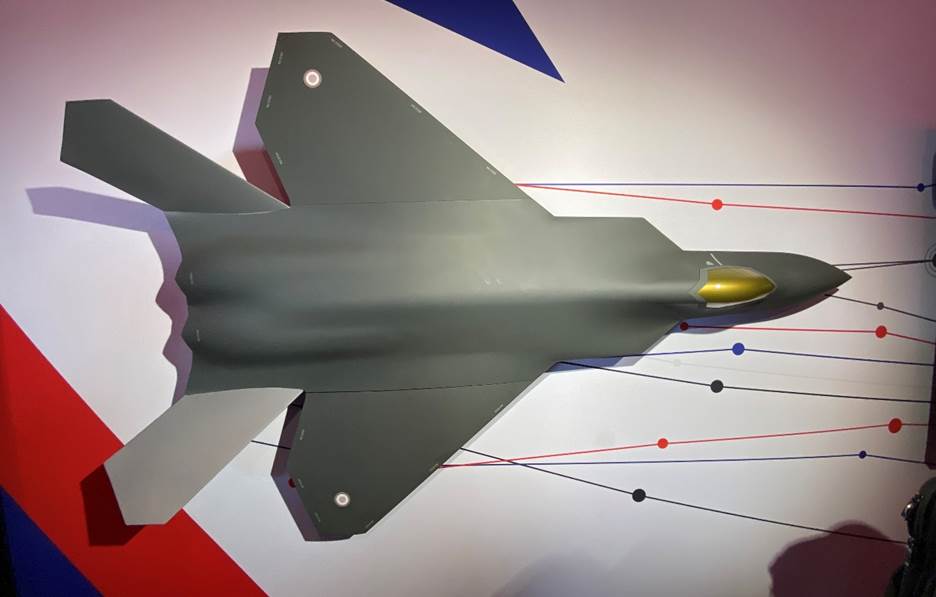
It is worth noting that the GCAP structure is also modelled on a legal treaty basis, designed to be more difficult to opt out of in the long term. To do so would risk the loss of one’s international reputation, commercial disputes and arguably future sovereign defence-industrial capability.
Likewise, it would also be difficult for participants to amend the design with national alterations, a factor that historically contributed to growing costs in the Eurofighter programme.
“TSR-2 was easier to kill precisely because it was a national programme,” Meredith Jones concluded.