

- Filtronic, a micro electronics and non-kinetic effects specialist, increased its industrial capacity in Sedgefield six times over
- Peter Stocken, director of business development for the Middle East, Africa and Asia-Pacific, revealed plans to explore options for delivering AUKUS needs
- The move was not possible for the tier two defence supplier until now, previously constrained by limited building space
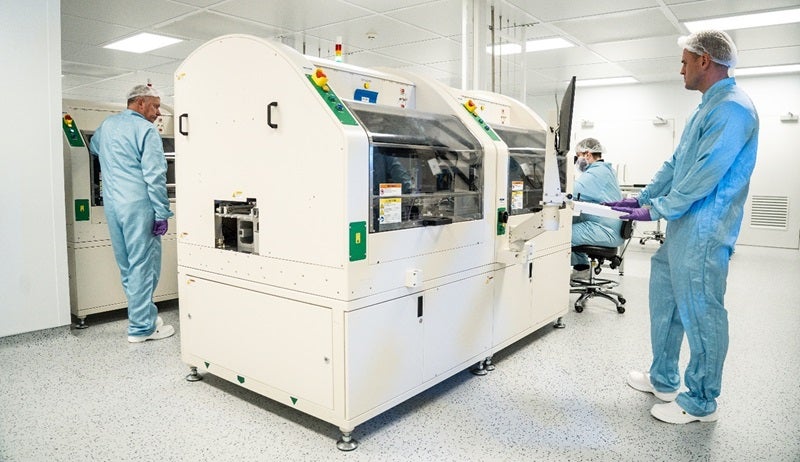
Filtronic has migrated to a 44,000 square foot manufacturing facility near its old headquarters in Sedgefield at the end of February, allowing the company to deliver more defence orders globally.
Future opportunity lies in the UK’s treaty-based alliances, particularly the trilateral AUKUS security pact, said Filtronic’s defence and space sector lead Peter Stocken, speaking exclusively with Army Technology on the day of the opening ceremony.
Go deeper with GlobalData


Discover B2B Marketing That Performs
Combine business intelligence and editorial excellence to reach engaged professionals across 36 leading media platforms.
AUKUS is split between two pillars: the first will enable the Royal Australian Navy to operate and maintain its own nuclear-powered attack submarines, while the second explores a number of emerging defence capabilities, from hypersonics to uncrewed ground vehicles, and most relevant to Filtronic, electronic warfare (EW) for targeting and detection.
“I don’t believe the company had the capacity” to deliver directly to the AUKUS level before now, Stocken suggested, while stipulating that it may be fair to say that Filtronic’s components may already be found in the ultimate end systems of AUKUS partners.
For example, the company provide radio frequency (RF) components and sub-systems for complex thermal applications to BAE Systems Maritime Services, a central industry player in the AUKUS endeavour.

“I wouldn’t be surprised if opportunities are tabled to us… based on the business opportunity and the ever evolving geopolitical position,” judged Stocken, only days before the outbreak of the US and Israeli air campaign against Iran, a conflict which has embroiled the UK albeit in a defensive capacity.

US Tariffs are shifting - will you react or anticipate?
Don’t let policy changes catch you off guard. Stay proactive with real-time data and expert analysis.
By GlobalDataIn such an uncertain security landscape, Stocken supposed that Filtronic is “well placed” to support the UK and its allies in their sovereign ambitions.
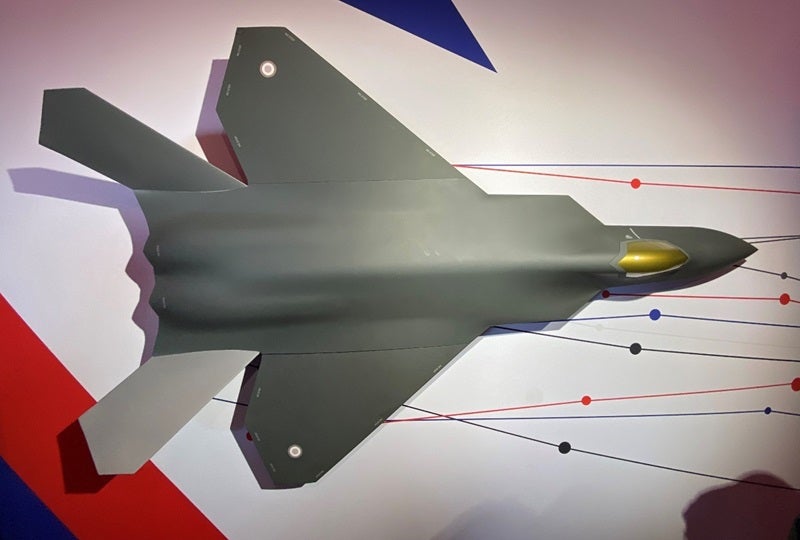
As a tier two defence supplier to larger primes embedded in the global defence industry, Filtronic already design, develop, manufacture and test complex radio frequency (RF) hardware to Leonardo UK as part of TEAM FORTITUDE, the EW segment of another significant trilateral treaty, the Global Combat Air Programme (GCAP).
There will be a particular focus on what opportunities there are to deliver Australia’s requirements, “whether it’s electronic warfare, whether it’s radar, whether it’s connectivity” that is needed.
In 2023, the Australian Government published its requirements in the Defence Strategic Review, which called for “future-focused joint capabilities” such as information warfare, cyber capabilities, EW, and guided weapons and explosive ordnance.
“They are a Five Eyes ally; it makes sense,” Stocken continued, alluding to potential business opportunities in the bilateral research and development between the UK and Australia. He also responded positively to the prospect of Filtronic establishing a footprint in the Commonwealth country.
Although, AUKUS has come under scrutiny within the American administration. Last year, the US Department of War (née Defense) conducted a review of the pact’s strategic value, ensuring that taxpayer funds will support what Defense Secretary Pete Hegseth described last December as “a pragmatic, practical application of hard power.”
But Stocken was undaunted when asked about capricious US policymaking on the basis that Filtronic supports prime system integrators around the world.
While protectionism is a matter of the unmovable force of politics, tariffs have still proven problematic in the global defence industry with European nations in particular opting to increase their own defence industrial competitiveness for the first time in decades. In doing so, such policies undermine the ‘no barriers’ approach which has made AUKUS so successful.



