

- UK cites an “expanded” F-35 fleet, but simultaneously says no new F-35A/B buys this parliament
- With no jets in Lots 18–22, deliveries likely slip to 2029+ and into the 2030s
- UK has 47 F-35Bs but looks set to shift future orders toward the F-35A
Confusion surrounds UK Government messaging regarding the country’s F-35 stealth fighter fleet, which is transitioning from the naval-capable F-35B to include the conventional multirole F-35A variant.
Delivering a keynote speech at the Global Air and Space Chiefs’ Conference on 16 July, UK Minister for Defence Readiness Luke Pollard said that the Royal Air Force (RAF) had been “the big winner” from the recently released Defence Investment Plan (DIP), which included reference to “expanded F-35 fleets”.

Discover B2B Marketing That Performs
Combine business intelligence and editorial excellence to reach engaged professionals across 36 leading media platforms.
However, a Hansard written response from Pollard published the same day revealed that no F-35 fighters will be acquired for the Royal Air Force (A variant) or Royal Navy (B variant) for the rest of the parliament.
“No aircraft are scheduled to be produced for the UK for Lots 18-22 [of the F-35 programme]. Production of future orders is subject to negotiation with the F-35 Joint Program Office,” Pollard stated.
Lots 18-19 were finalised in late 2025, covering the production of up to 296 aircraft for the US and its international partners. Production of these aircraft will continue through to 2028.
Subsequent lots are yet to be agreed, but it is likely that Lots 20-22 will produce F-35 aircraft from 2029 and into the early-to-mid 2030s.
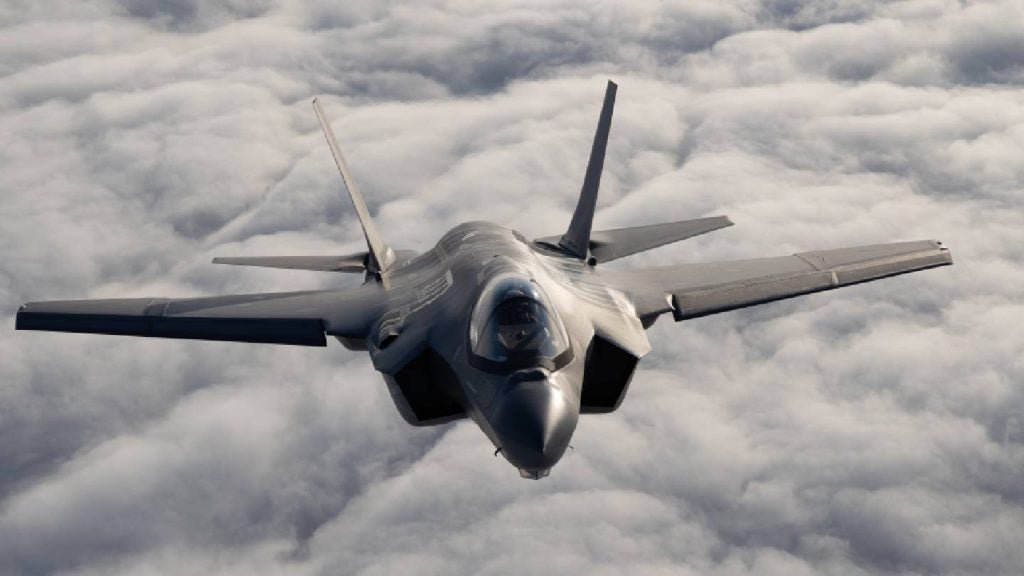
The DIP oddly failed to give a breakdown in the number of F-35 aircraft to be purchased, rather merely stating an intention to buy “more” (page 20) or a “next batch” (page 45). The DIP outlined a committed funding of £2.2bn through to FV29/30 on F-35 acquisition.
In a UK parliamentary written response on 5 January this year, Labour peer Lord Coaker said that the MoD expects “to take delivery of its 75th F-35 aircraft by the end of 2033”.
Subsequently, on 6 January, Coaker said that the DIP would “inform any updates to F-35 procurement timelines”.
At the time of publishing, Airforce Technology had not received a response from the UK Ministry of Defence regarding F-35A/B acquisitions through to FY29/30.
F-35 Batch 1 done, Batch 2 switch to the A?
The UK has completed receipt of its first batch of 48 F-35B STOVL-variant stealth fighters, which are operated as a combined force by the RAF and Royal Navy. The force is down to 47 airframes following the loss of one aircraft during a previous deployment.
The B variant is carrier-capable, in being able to operate from the Queen Elizabeth-class aircraft carriers, while also having a ‘conventional’ capability, albeit at a 25% higher price point than the F-35A.
It was thought the UK would follow up this order with a further 24 F-35B fighters, to bring the fleet up to 71 aircraft. However, the Labour Government in 2025 committed to the acquisition of 12 F-35As, ostensibly in order to participate in Nato’s tactical nuclear deterrent via B-61 freefall nuclear weapons.
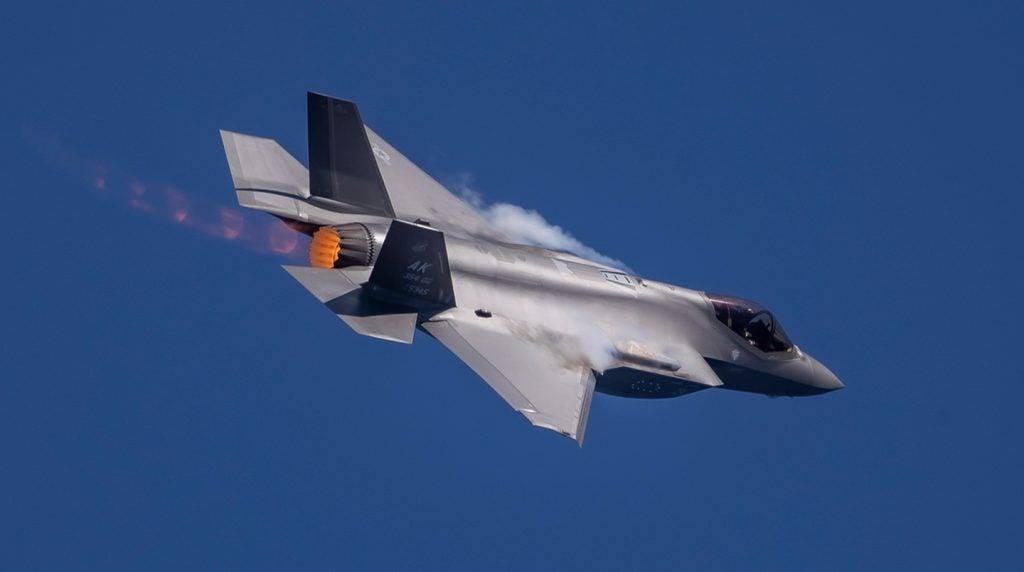
The UK’s long-term ambition was to purchase 138 F-35s across the lifetime of the programme, originally the F-35B. It is no secret that the RAF was unhappy with the B model as it resulted in compromises to combat radius and performance in order to enable the STOVL landing and take-off functionality.
There is a suggestion that the RAF may well be pushing to shift future F-35 purchases towards the A-variant, leaving the 47 F-35Bs to concentrate on naval operations.
Given the significant maintenance requirements for the B variant and the need to maintain an operational conversion and training unit in the US, the 47-strong fleet is unlikely to provide a full 36-strong combat air wing for a Queen Elizabeth-class carrier.
UK F-35 availability rates are thought to be in the region of 30%, dropping further for aircraft able to undertake combat operations.


